
A change of government in a destination country – through an election, the collapse of a coalition, or something more abrupt – raises a practical question for anyone holding a booked trip: does the insurance policy still do what it was bought to do? The short answer is that the change itself is rarely the thing insurers respond to. What matters is whether that change produces one of the specific events a policy lists as a covered reason, and when the policy was purchased relative to that event. Travel insurance is built to handle the unforeseen, not the already-known, and a political transition that has been widely reported often sits on the known side of that line.

Political change is normal. A covered event is not.
Standard comprehensive policies pay for a defined list of reasons: illness or injury, the death of a family member, a natural disaster that makes a destination uninhabitable, a documented terrorist incident near your itinerary, and in some cases a Level 4 travel advisory issued after purchase. A new government, a new prime minister, or a new ruling party is not on that list. It usually does not appear in policy wording at all.
That distinction matters because political change covers an enormous range of situations, from a routine transfer of power to a military takeover. Political change is a normal feature of many destinations rather than an anomaly. Governments are replaced through elections, coalitions re-form, and leadership turns over, often without any effect on airports, hotels, or border posts. Analysts who follow regional political developments in Southeast Asia, for instance, treated a state election result in Malaysia in late 2025 as a meaningful shift in the political landscape, while day-to-day travel to and within the country continued as usual. That is the ordinary case, and it is the one that most often leaves a travel insurance claim untouched.
Where policies do engage is at the edges of political change – when a transition produces unrest, an evacuation order, or a formal government warning that meets the plan’s criteria.
The exclusion that decides most political claims
When a claim is tied to a change of government, the language insurers reach for most often is the war and political-risk exclusion. Many policies exclude, in one form or another, losses arising directly or indirectly from war (declared or undeclared), acts of war, acts of a foreign government, rebellion, revolution, insurrection, and the taking of power by military force.
Australia’s 1Cover states the position plainly: “Any act of war, whether war is declared or not or from any rebellion, revolution, insurrection or taking of power by the military is a General Exclusion under our policies.” Other carriers fold the same idea into a defined term such as political risk – actions intending or implying an intention to overthrow, supplant, or change the existing ruler or constitutional government. A coup or a military takeover, in other words, is typically treated as the kind of event the policy was never priced to cover, even though it is undeniably a change of government.
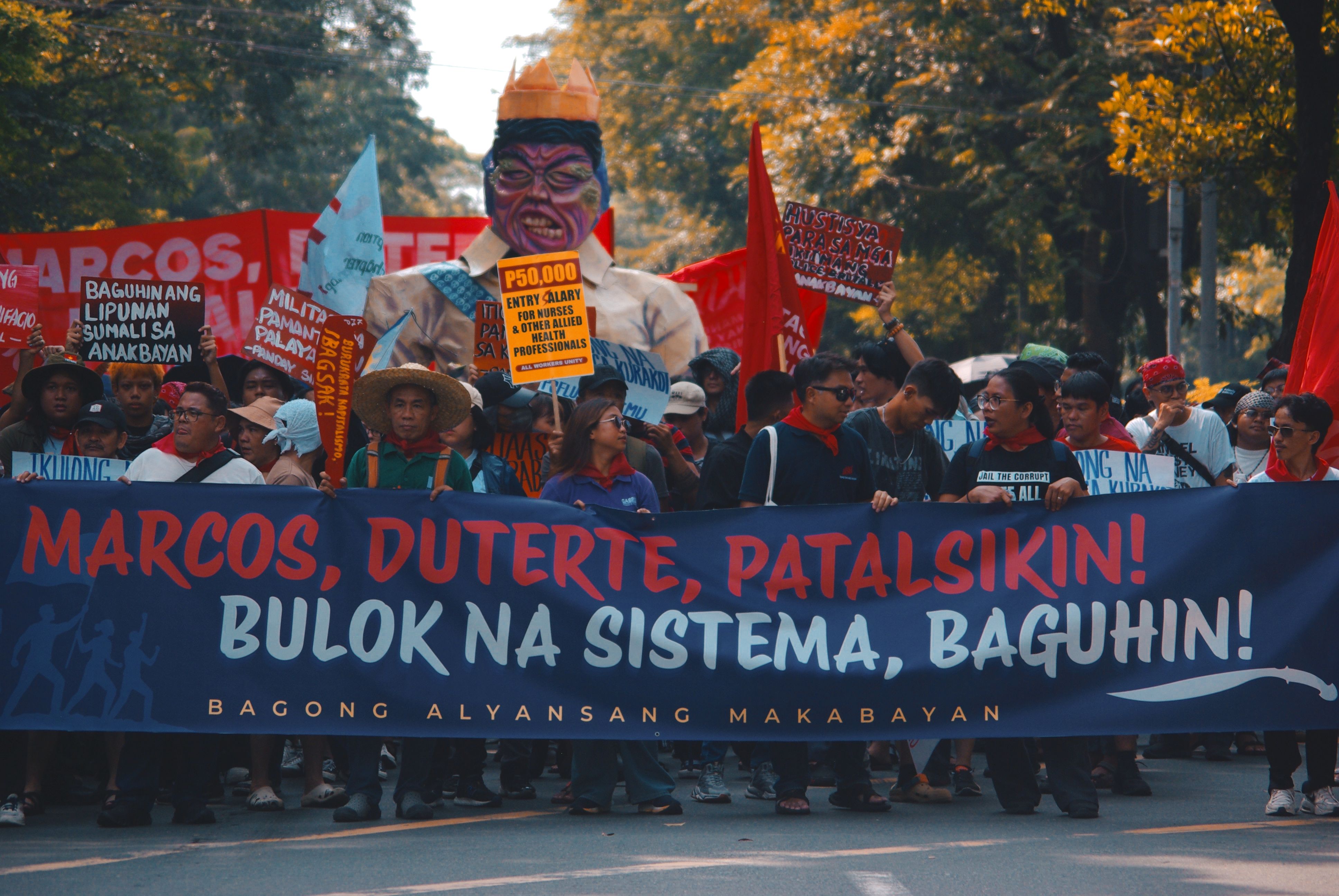
The practical consequence is counterintuitive: the more disruptive a change of government is, the less likely a standard policy is to respond to it, because severe disruption tends to fall inside the war or political-risk exclusion. A peaceful election, by contrast, sits outside every covered reason and outside most exclusions – it is simply not an event the policy addresses.
Timing is the variable that decides the rest
For events that are listed, such as a travel advisory or an evacuation, the date of purchase decides whether coverage is available. Most policies exclude known, foreseeable, or expected events. If an upheaval was already headline news when you bought the policy or booked the trip, a later claim tied to that same upheaval is commonly declined on the grounds that the risk was already on the record.
Insurers make this concrete by publishing a “known event” date. When a major geopolitical situation becomes widely reported, a carrier may announce the specific date on which it became known, after which newly purchased plans are not eligible for related accommodations. One publicly posted coverage alert, for example, marked a Middle East conflict as a known event on 28 February 2026 and stated that plans effective from 1 March 2026 were not eligible for the accommodations offered to earlier policyholders. The mechanism is the same whatever the trigger: the earlier the policy, the stronger the position.
This is why timing questions – not political ones – dominate claim assessments. An adjuster is less interested in which party won than in what the policy said, what the government did, and which of those two came first.
What a change of government can actually trigger
A transition of power becomes insurance-relevant when it causes one of a small number of listed events, each with its own conditions:
- A government travel advisory. Some plans cover cancellation when the U.S. State Department or a national equivalent issues a Level 4 “Do Not Travel” advisory after the policy was purchased and within a defined window of departure – often around 30 days.
- Civil unrest that prevents travel. Depending on the policy, a riot, civil disorder, or security breach that blocks travel for a minimum period may be a covered reason.
- Security or non-medical evacuation. If unrest or an evacuation order occurs while you are already abroad, a plan that includes this benefit may help arrange and pay for transport to a safe location or home.
- A documented terrorist incident within a specified distance of your destination and time window of your arrival.
Each of these is rule-heavy. Travel advisories and political events do not automatically trigger travel insurance coverage. Many plans require the advisory or event to occur after purchase, to fall within a set number of days of departure, and to affect the specific cities on your itinerary. Evacuation benefits frequently require the traveler to coordinate through the insurer’s assistance team within a defined window – often seven to fourteen days of the qualifying notice – rather than booking transport independently and claiming it later.
| Scenario | How standard policies often respond | What to check |
|---|---|---|
| Peaceful election changes the government; trip proceeds normally | No coverage trigger; travel and borders typically unchanged | Current advisory level; any new entry requirements |
| Destination is already under a Level 4 advisory when you buy | Commonly treated as a known event; cancellation typically not covered | Known-event exclusion; CFAR availability |
| Advisory is upgraded to Level 4 after you buy, close to departure | May be covered if the plan lists it as a covered reason and timing fits | Covered reasons list; departure window; purchase date |
| Coup or military takeover before departure | Generally excluded as war or political risk | War, acts-of-government, and political-risk wording |
| Civil unrest strands you abroad | Security or non-medical evacuation may apply if coordinated | Evacuation criteria; assistance contact; time limits |
| You simply no longer feel safe and cancel | Standard cancellation typically does not cover fear of travel | CFAR or IFAR terms and purchase window |
Compiled from publicly available policy documents and insurer guidance reviewed in September 2026. Exact treatment varies by carrier, plan, and jurisdiction.
If the government changes while you are already abroad
The starting position while traveling is different from the position before departure. Once a trip is underway, emergency medical, travel delay, and baggage benefits generally remain available regardless of political headlines, because those benefits are tied to their own triggers rather than to the political situation. A new advisory issued after you arrive does not usually void a policy that was already in force.
If conditions deteriorate, the standard guidance is to follow instructions from local authorities, monitor your home government’s advisories, contact your airline or travel supplier about refunds or rebooking, and call your insurer’s 24-hour assistance line before arranging anything yourself. Benefits are subject to maximum limits and may be reduced by any refund you receive from a supplier.
Cancel For Any Reason is the tool built for uncertainty
Because political upheaval is so often excluded or treated as a known event, the coverage most likely to help when you simply do not want to travel is Cancel For Any Reason (CFAR), sometimes paired with Interruption For Any Reason (IFAR). These are optional upgrades that reimburse a portion of prepaid, non-refundable costs for reasons ordinary policies will not touch – typically 50% to 75%, not the full amount.
The catch is the window. CFAR generally must be purchased within a set number of days of your initial trip deposit – often 14 to 21 – and you usually need to insure 100% of your prepaid, non-refundable costs. Once that window closes, it cannot be added to a trip already in motion. Buying early is what keeps the option open.

A short pre-trip checklist
- Buy coverage soon after your first trip payment, while the political situation is still unremarkable.
- Read the full policy document, not the summary – search it for “war,” “hostilities,” “acts of government,” “civil unrest,” and “known event.”
- Note the current advisory level for every country and city on your itinerary, and record the date you checked.
- Confirm whether the plan lists a Level 4 advisory as a covered cancellation reason, and what the departure window is.
- If flexibility matters more than price, price CFAR within the purchase window.
- Save your policy documents and the assistance line number offline, in case local networks are disrupted.
- If a transition disrupts your plans, contact your travel supplier first – refunds, waivers, and rebooking may resolve the issue before an insurance claim is needed.
Frequently asked questions
Does a change of government automatically cancel my trip or trigger a payout?
No. A change of government is generally not a covered reason on its own. Coverage depends on whether the change causes a listed event, such as a qualifying advisory, riot, or evacuation order, and on when you bought the policy.
Is a coup or military takeover covered?
Generally no. Most policies exclude losses arising from war, rebellion, insurrection, or the taking of power by military force, and many define such actions as political risk. The exclusion applies whether or not war was formally declared.
What if a Level 4 “Do Not Travel” advisory is issued after I purchase my policy?
Some plans may cover cancellation if the advisory is issued after purchase, affects a city on your itinerary, and falls within the policy’s departure window – often around 30 days. Not every plan includes this benefit, and eligibility rules differ.
Can I cancel just because I am uneasy about the political situation?
Standard trip cancellation generally covers only listed reasons and typically does not include fear of travel or a change of mind. CFAR, if purchased in time, is the usual route for that kind of decision.
Does my policy stop working if the government changes?
No. The policy remains in force. Emergency medical, travel delay, and baggage benefits are typically unaffected by political developments, though cancellation and interruption claims still depend on whether a listed event occurred.
Am I covered if unrest begins while I am already in the country?
Medical and delay benefits usually remain available. A security or non-medical evacuation may apply if your plan includes it and you coordinate through the insurer’s assistance team. Plans commonly exclude evacuation from areas that were already under a travel warning before you arrived.
Where should I check the official advice?
Use your home government’s advisory service, such as the U.S. State Department travel advisories for U.S. travelers, or the equivalent for your country. The advisory level and the date it changed are the facts an insurer is most likely to ask about.
How this article was put together
This guide answers a single question: what happens to travel insurance when a destination country’s government changes. It draws on policy documents and public guidance from travel insurers, broker and comparison knowledge bases, and government advisory services, all reviewed in September 2026. Coverage wording varies widely by carrier, plan, and state or country of issue, and the examples here describe common practice rather than universal rules. Policy terms are revised periodically, and advisory levels change with events, so recheck your own policy document and the current advisory before relying on any specific benefit.